What To Do If a Pimple Starts Bleeding

By Zovira
August 27, 2025
Share:
In this article
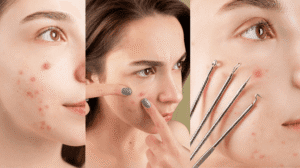
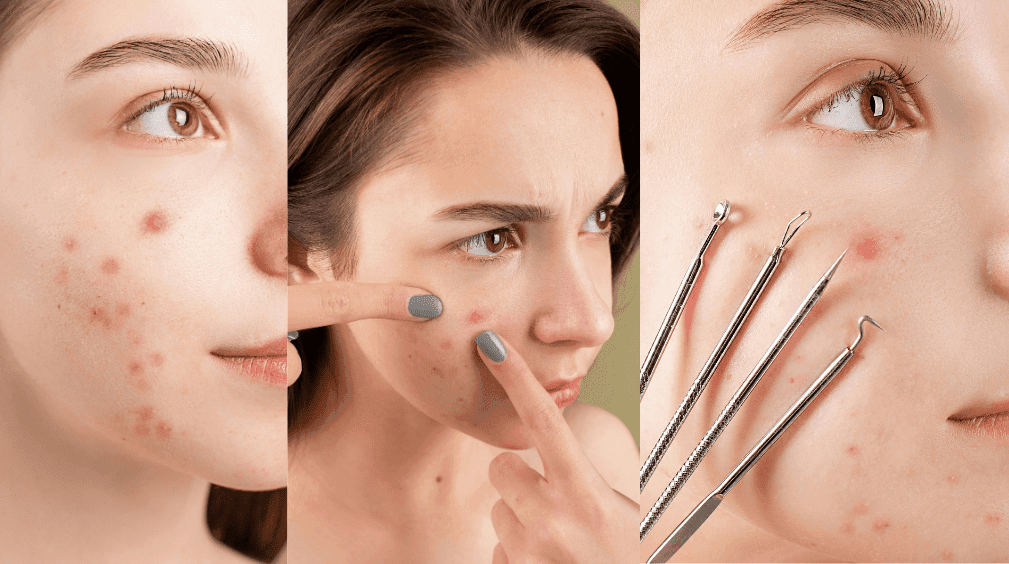
Almost everyone who has struggled with acne knows this scenario: you’re getting ready, you glance in the mirror, and you notice a stubborn pimple. You try to leave it alone, but eventually, temptation wins — you squeeze, scratch, or accidentally brush against it — and suddenly, the pimple starts bleeding.
It’s not only painful, but also frustrating. Now, instead of a small blemish, you’re left with a red, inflamed wound that seems impossible to cover up. Even worse, handling a bleeding pimple incorrectly can increase your risk of scarring, infection, or lingering post-acne marks.
The good news? A bleeding pimple doesn’t have to turn into a permanent reminder on your skin. With the right care, you can calm the area, protect your skin barrier, and support healing without causing long-term damage. In this article, we’ll walk you through what not to do, what steps to take immediately, and how to help your skin heal safely and quickly.
Why Do Pimples Bleed in the First Place?
Pimples bleed when the skin around them has been damaged. This usually happens when:
- You pop or squeeze a pimple. The pressure ruptures tiny blood vessels under the skin.
- You scratch or pick at it. Even a small scratch can tear the thin skin around a blemish.
- The pimple ruptures on its own. Sometimes, pressure inside the pimple causes it to break open naturally.
When this happens, blood mixes with pus or clear fluid. While this can feel like the pimple is “emptying out,” it’s actually a sign that your skin barrier has been injured — and now needs careful handling to avoid infection or scarring.
The Golden Rule: What NOT to Do
When a pimple starts bleeding, your first instinct might be to panic. But here are the biggest mistakes to avoid:
- Don’t keep squeezing.
You might think you can “finish the job” by pushing out more, but this only drives bacteria and debris deeper into the skin, causing more inflammation. - Don’t wipe aggressively.
Scrubbing at the area with a tissue or towel irritates the wound further. - Don’t apply harsh products right away.
Spot treatments with benzoyl peroxide or salicylic acid can sting and make the wound more inflamed. - Don’t touch it repeatedly.
Your hands carry bacteria. Constantly checking the spot only increases the chance of infection.
Step 1: Stop the Bleeding Safely
The first priority is to control the bleeding without irritating the skin further.
- Wash your hands. Always start with clean hands to avoid introducing bacteria.
- Apply gentle pressure. Take a clean tissue, cotton pad, or gauze and press lightly against the pimple. Hold it there for 1–2 minutes.
- Avoid rubbing. Just press and hold. Rubbing causes more irritation and can reopen the wound.
Usually, bleeding will stop within a few minutes if you apply consistent, gentle pressure.
Step 2: Cleanse the Area
Once the bleeding has stopped, you’ll want to prevent infection.
- Use a mild, fragrance-free cleanser with lukewarm water. Avoid hot water, which can increase redness.
- Pat the area dry with a clean towel — don’t rub.
- If available, you can also apply a gentle antiseptic (like diluted witch hazel or a drop of diluted tea tree oil), but avoid harsh alcohol-based toners that sting and dry out the skin.
Step 3: Calm and Protect the Skin
After cleansing, focus on soothing and protecting the wound so it can heal.
- Apply a thin layer of a healing ointment (like petroleum jelly or a ceramide-based balm). This keeps the area moist and prevents scabbing, which reduces the chance of scarring.
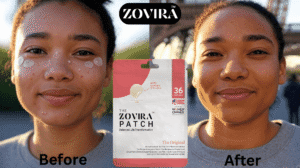
- For best results, cover the spot with an acne patch. Hydrocolloid patches absorb excess fluid, keep bacteria out, and protect the wound from being touched while it heals.
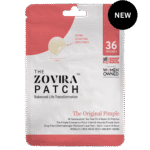
At Zovira, our Original Acne Patches and Recovery Patches are perfect for this step — they shield the blemish while creating an ideal healing environment.
Step 4: Reduce Redness and Swelling
Bleeding pimples often leave behind redness and irritation. To calm the skin:
- Apply a cool compress for a few minutes (never ice directly on skin).
- Use a soothing product with ingredients like aloe vera, centella asiatica, or niacinamide.
- Avoid strong exfoliants (like AHAs, BHAs, or retinoids) for at least 24 hours around the wounded area.
This helps calm the skin and minimizes the risk of lingering post-acne marks.
Step 5: Support Long-Term Healing
Once the pimple is under control, you’ll want to help your skin heal over the next few days.
- Moisturize consistently. Well-hydrated skin repairs itself faster. Look for non-comedogenic moisturizers with ceramides or hyaluronic acid.
- Protect from sun exposure. UV rays can darken healing skin, increasing the chance of post-inflammatory hyperpigmentation (PIH). Always wear sunscreen.
- Be patient. A bleeding pimple may take longer to heal than a normal one. Avoid picking at scabs or peeling skin during recovery.
How to Cover Up a Bleeding Pimple Safely
If you absolutely need to wear makeup after dealing with a bleeding pimple, here’s the safest approach:
- Make sure the wound has stopped bleeding completely.
- Apply a thin layer of healing balm or cover with an invisible acne patch.
- Gently dab concealer on top of the patch, blending lightly.
This allows you to cover redness without clogging the wound or making it worse.
Preventing Future Bleeding Pimples
The best way to deal with bleeding pimples is to avoid them in the first place. Here are some prevention strategies:
- Don’t pick. Easier said than done, but resisting the urge to squeeze prevents 90% of bleeding pimples.
- Use pimple patches early. Applying a patch at the first sign of a whitehead protects the spot before it ruptures.
- Follow a gentle acne routine. Consistency with cleansers, exfoliants, and treatments reduces the likelihood of severe breakouts.
- Manage stress and diet. Both can trigger breakouts that lead to more picking and bleeding.
The Bottom Line
A bleeding pimple isn’t the end of the world — but how you treat it can determine whether it fades quickly or leaves behind a scar. The key is to stay calm, stop the bleeding gently, cleanse carefully, protect the wound, and let your skin heal in peace.
Remember: every pimple is temporary, but scars can last much longer. That’s why preventing damage is just as important as treating the breakout itself.
At Zovira, we’ve designed acne and recovery patches to make this process simple. Whether you’re dealing with a fresh breakout or healing skin, patches provide a safe, effective shield that helps you avoid scarring and get back to clear, healthy skin faster.
Because when it comes to acne, smart aftercare is just as important as treatment.